Strength Training Is Non‑Negotiable in Perimenopause
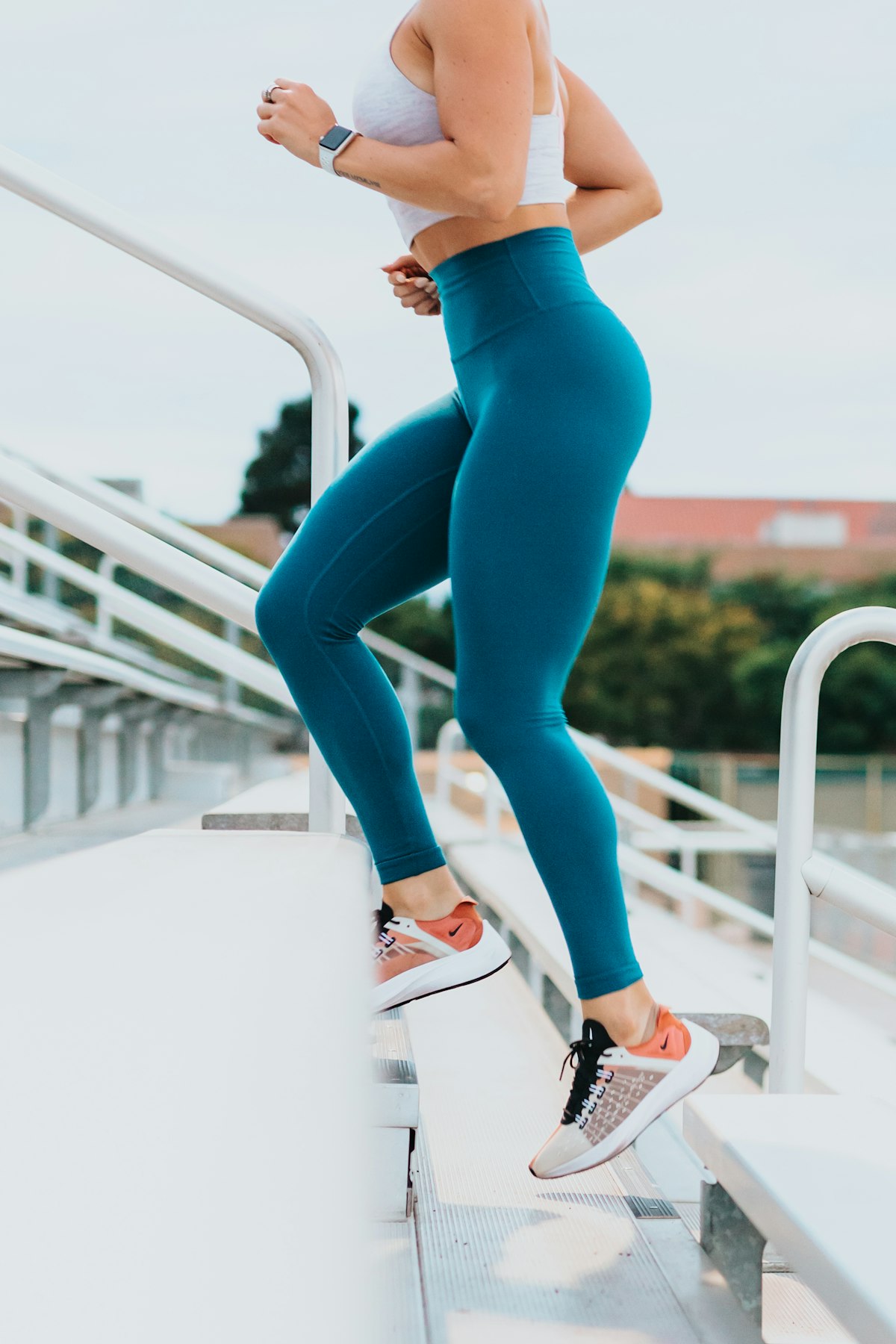
If there's one thing you do for your health in perimenopause, make it strength training.
Not cardio. Not stretching. Not "just walking." Those are all valuable — but they are not replacements for what strength training does for a body in hormonal transition.
Here's the reality: bone density declines at 1‑2% per year in late perimenopause. Muscle mass declines at a similar rate. And both of these declines accelerate the metabolic changes that make weight gain, fatigue, and insulin resistance harder to manage.
The good news? Strength training is the single most protective intervention you can take. It builds bone, preserves muscle, improves insulin sensitivity, and supports mental health — all at once.
And here's the even better news: you don't need a gym. You don't need heavy weights. You don't need to become a bodybuilder. You just need to start — and stay consistent with an approach that fits your energy.
Why Strength Matters More Now Than Ever

As estrogen declines, your body becomes less efficient at building and maintaining muscle. This isn't a small difference — it's a fundamental shift in how your body processes protein and responds to training.
Muscle is metabolically expensive — it burns calories even at rest. When you lose muscle, your resting metabolic rate drops, making it easier to gain weight and harder to lose it. This is why many women in perimenopause find themselves gaining weight despite "doing everything right."
But muscle loss isn't just about weight. Muscle is your body's primary glucose disposal site. When you have less muscle, your body becomes less efficient at clearing glucose from your bloodstream, increasing your risk of insulin resistance and type 2 diabetes.
A 2022 study published in the Journal of Clinical Endocrinology & Metabolism found that muscle mass is a stronger predictor of metabolic health than body weight or BMI in postmenopausal women. Muscle protects you.
Strength training also stimulates osteoblasts — the cells that build bone. This is critical because bone loss accelerates during perimenopause, increasing fracture risk.
Research published in the Journal of Bone and Mineral Research demonstrated that a twice‑weekly resistance training program significantly improved bone density in postmenopausal women over a 12‑month period.
Strength training isn't optional — it's medicine. It protects your bones, your metabolism, and your independence as you age. The earlier you start, the better.
Beyond Bones: Mental Health and Mood
The benefits of strength training extend far beyond the physical. Resistance training has been shown to reduce symptoms of depression and anxiety in perimenopausal women, with effects comparable to antidepressant medication.
A 2025 study in the Journal of Affective Disorders found that a 12‑week strength training program significantly reduced depressive symptoms in perimenopausal women, with improvements maintained at 6‑month follow‑up.
Exercise, particularly resistance training, triggers the release of endorphins and endocannabinoids, which improve mood and reduce pain perception. It also reduces inflammation, which is increasingly recognised as a driver of depression.
Strength training also improves sleep quality, which we know is essential for managing perimenopause symptoms like the 3am wake‑up and brain fog.
How to Start: The L/M/H Approach
Starting a strength practice doesn't mean you have to commit to heavy barbell training multiple times a week. You can build strength with bodyweight exercises, and you can adapt the intensity to your energy level that day.
Here's how to incorporate strength into your weekly rhythm:
🟢 High Energy Day — Full Strength Circuit
20‑30 minutes. Use weights (dumbbells, resistance bands, or household items) or bodyweight. Perform 3 rounds of:
- Goblet squats — 10 reps (hold a weight at your chest)
- Bent‑over rows — 10 reps (pull to your ribs)
- Step‑ups — 8 reps each side (drive through top leg)
- Overhead press — 8 reps (keep ribs down)
- Plank hold — 20‑30 seconds (stay in a straight line)
Rest 60 seconds between rounds.
🟡 Medium Energy Day — Walk + Bodyweight
15‑20 minutes. Start with a brisk walk, then add:
- 2 sets of 10 bodyweight squats
- 2 sets of 8 wall or counter push‑ups
- 2 sets of 10 glute bridges
🔴 Low Energy Day — Mobility Only
5‑10 minutes. Focus on gentle movement:
- Neck rolls
- Cat‑cow stretches
- Child's pose
- Lying down hamstring stretch
Even on low energy days, you're building the habit — and that matters more than the intensity.
This L/M/H approach is exactly what we teach in The 4‑Week Reset, because it works with your body's natural fluctuations rather than fighting them.
As we covered in why your workouts stopped working, the old approach of pushing harder every day is biologically inappropriate in perimenopause. The adaptive approach is the evidence‑based solution.
Overcoming Common Barriers
"I don't have time"
You don't need an hour. Two 20‑minute strength sessions a week is enough to see meaningful results. You can even split it into shorter 10‑minute sessions if that fits your schedule better.
"I don't know what to do"
You don't need to guess. The exercises above are a complete starting point. Bodyweight squats, push‑ups (on knees or against a wall), glute bridges, and planks are all you need to build a strong foundation.
"I'm afraid of getting bulky"
You won't. Women don't have enough testosterone to build the kind of muscle that looks "bulky." What you will build is strength, resilience, and metabolic protection — and the confidence that comes with feeling capable in your body.
"I have joint pain"
Start slow. Focus on bodyweight exercises and controlled movements. If something hurts, modify it — drop the range of motion, reduce the weight, or choose a different exercise. Pain is a signal, not an instruction.
If you're dealing with PMOS or other metabolic conditions, strength training is particularly beneficial because it improves insulin sensitivity and reduces inflammation — directly addressing the root causes of these conditions.
The Long‑Term Payoff
Strength training in perimenopause isn't just about how you feel today. It's about how you age.
Women who maintain muscle mass through perimenopause and beyond have:
- Lower risk of osteoporosis and fractures
- Better metabolic health and lower risk of type 2 diabetes
- Improved balance and lower risk of falls
- Greater independence in older age
- Better mental health and cognitive function
These aren't abstract benefits. They're the difference between thriving and merely surviving in your later decades.
Your Next Step
If you've been putting off strength training, let this be your sign to start.
You don't need to be perfect. You don't need a gym. You don't need heavy weights. You just need to start — and to keep showing up, in whatever way fits your energy that day.
The women who thrive in perimenopause aren't the ones who push hardest. They're the ones who show up consistently, adapt to their needs, and build a sustainable rhythm that works with their body, not against it.
📚 References
1. Muscle mass and metabolic health: S. J. et al., "Muscle mass predicts metabolic health in postmenopausal women," Journal of Clinical Endocrinology & Metabolism, 2022.
2. Resistance training and bone density: K. A. et al., "Resistance training improves bone density in postmenopausal women," Journal of Bone and Mineral Research, 2019.
3. Strength training and depression: M. C. et al., "Resistance training reduces depressive symptoms in perimenopausal women," Journal of Affective Disorders, 2025.
4. Exercise and mental health: B. S. et al., "Exercise as a treatment for depression," JAMA Psychiatry, 2019.
Ready to build a strength rhythm that works?
Start by tracking your energy and strength days with The Flexible Perimenopause Tracker — it's free and designed to show you patterns, not punish you.
The tracker helps you notice your unique patterns. The Reset gives you a structured, no‑streak plan to work with them.

Hawaa
Hawaa is passionate about helping women navigate perimenopause with evidence-based, compassionate guidance. She believes that understanding your body is the first step to feeling like yourself again — no streaks, no guilt, just a steadier way forward.